BrainWays Health Collaborative and BICOMS were not born in a boardroom—they grew from the exam room, in the moments between diagnosis, care, and the realization that research has not always reflected the full diversity of patients it serves.
Three neurologists. Decades of combined frontline experience. A shared perspective shaped by caring for patients navigating gaps in the MS care landscape—particularly in communities that have been historically underrepresented in research.
Together, they recognized that raising awareness was only the beginning. So they came together to build something new—grounded in science, informed by lived experience, and designed to better serve all communities.
BrainWays Health Collaborative is a research, education, and community engagement initiative dedicated to improving outcomes for people living with brain disorders — from Alzheimer’s and MS to Parkinson’s, epilepsy, and beyond. BICOMS is one of its most vital programs.
NAAMSR was established to address a critical gap: the limited representation of African Americans in the data shaping MS diagnosis, treatment, and outcomes. Founded by leading neurologists and researchers committed to equity in science, NAAMSR grew into a pioneering national registry — advancing awareness, informing clinical research, and driving more inclusive approaches to care. Its peer-reviewed publications and scientific presentations have strengthened the evidence base and changed how the field thinks about MS in African American communities.
BICOMS represents the natural evolution of NAAMSR’s work — expanding its foundation from data collection to deeper collaboration, research, and impact. Where NAAMSR built the evidence base, BICOMS builds the network: a national coalition of clinicians, researchers, and advocates united by a single purpose — ensuring that science reflects the patients it serves.
Connecting clinicians, researchers, and advocates across the country to accelerate progress in MS care for African American communities.
Supporting studies that build on NAAMSR’s peer-reviewed legacy — deepening understanding of disease patterns, progression, and outcomes.
Amplifying the voices of patients and caregivers so that lived experience is not just heard — it shapes the science
Within BrainWays Health Collaborative, BICOMS stands as a model for what targeted, community-rooted science can achieve. Millions of people receive a brain disorder diagnosis with no clear path forward. Research breakthroughs rarely reach the families and communities who need them most. BICOMS is proof that closing that gap is possible — and that equity in neuroscience is not aspirational. It is achievable.
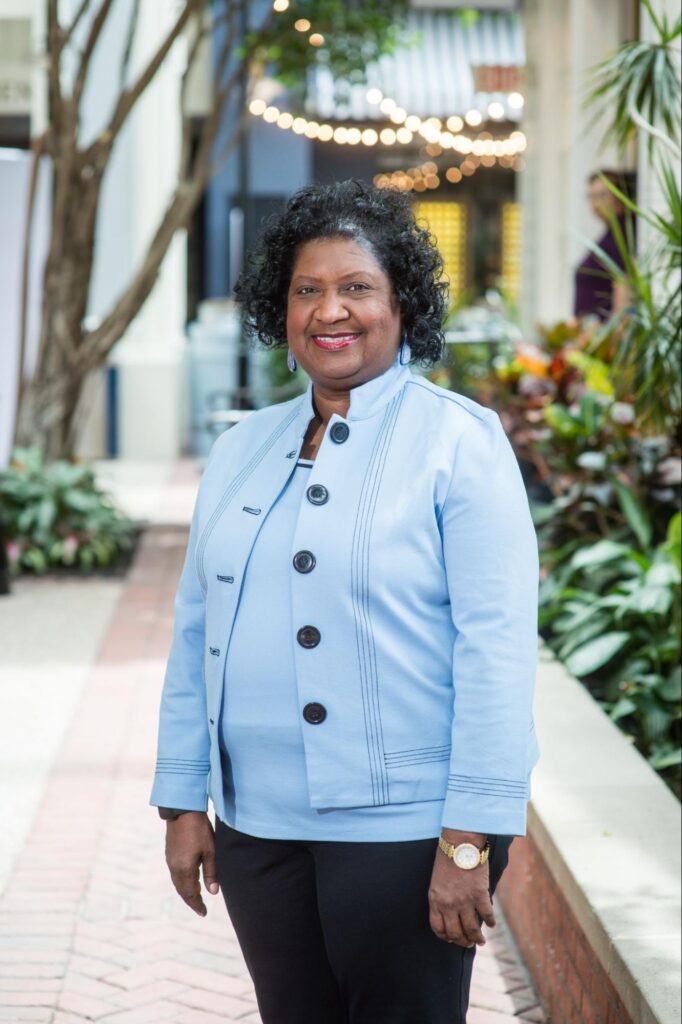
Dr. Annette Howard has spent more than two decades at the intersection of clinical excellence and community advocacy in MS care. As Medical Director of the Multiple Sclerosis Institute of Texas in Houston — a role she has held since 2001 — her guiding philosophy has always been to treat the whole patient, not just the disease.
Her path to neurology was shaped by a deep commitment to public health. Trained at the University of Pittsburgh School of Medicine, she completed both Internal Medicine and Neurology residencies at Baylor College of Medicine, where she also served as Chief Administrative Resident and later as Assistant Professor of Neurology and Medical Director of the MS Clinic at Ben Taub General Hospital.
A career defined by research, advocacy, and service, Dr. Howard has participated in clinical trials, contributed to peer-reviewed publications, and served on the boards of leading MS advocacy organizations. Her recognition of the profound and persistent gaps facing Black MS patients led her to help establish the National African American Multiple Sclerosis Registry — and ultimately to co-found BICOMS, the global initiative built to take that work to every corner of the diaspora.
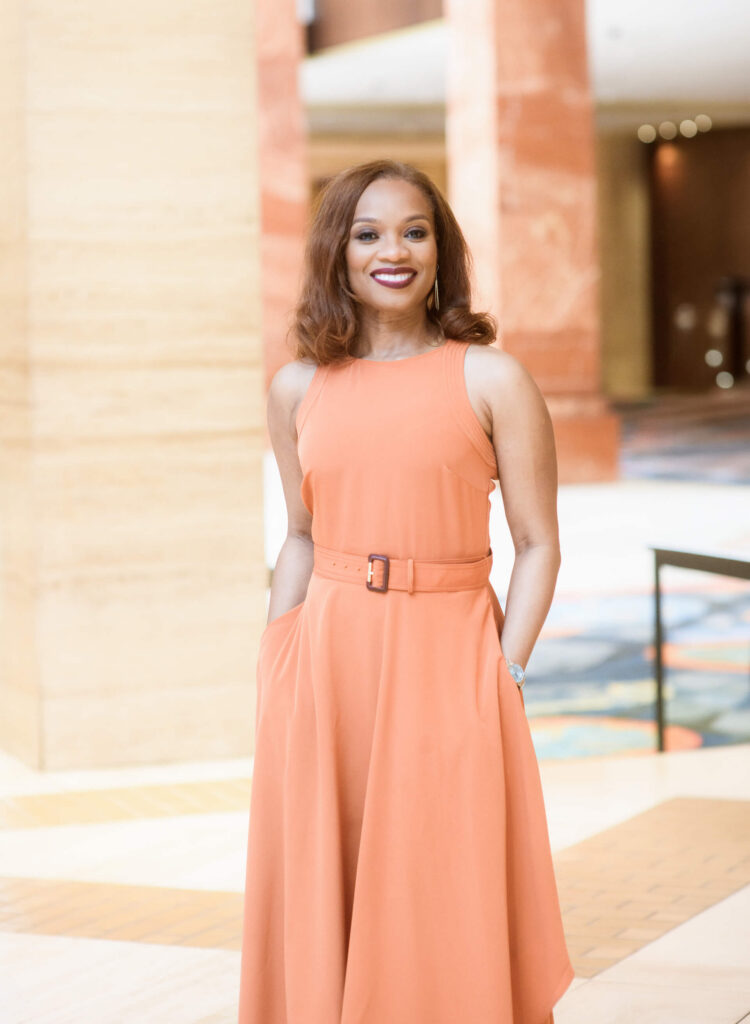
Dr. Annette Okai is one of the most respected MS specialists in the country — a fellowship-trained neurologist whose career bridges rigorous clinical research and compassionate patient care.
As Director of Clinical Neuroimmunology and Multiple Sclerosis Research at the North Texas Institute of Neurology and Headache in Plano, Texas, and Clinical Associate Professor of Neurology at Texas Tech University Health Science Center, Dr. Okai operates at the highest levels of both practice and academia. She is a Fellow of the American Board of Psychiatry and Neurology and is actively involved in multiple ongoing MS clinical trials, with contributions published across several leading neurological journals.
Her advisory roles — including the MS Association of America Health Care Advisory Committee, the National Multiple Sclerosis Society Faculty, and the Multiple Sclerosis Foundation Advisory Board — reflect a career spent not only advancing the science, but demanding that the science advance equitably.
It was this same conviction that led Dr. Okai to co-found BICOMS — because she understood better than most that a research system producing incomplete data was not a neutral failure. It was an active harm to the patients left out of it. With BICOMS, she is ensuring that the next generation of MS research is built on a foundation that finally includes everyone.
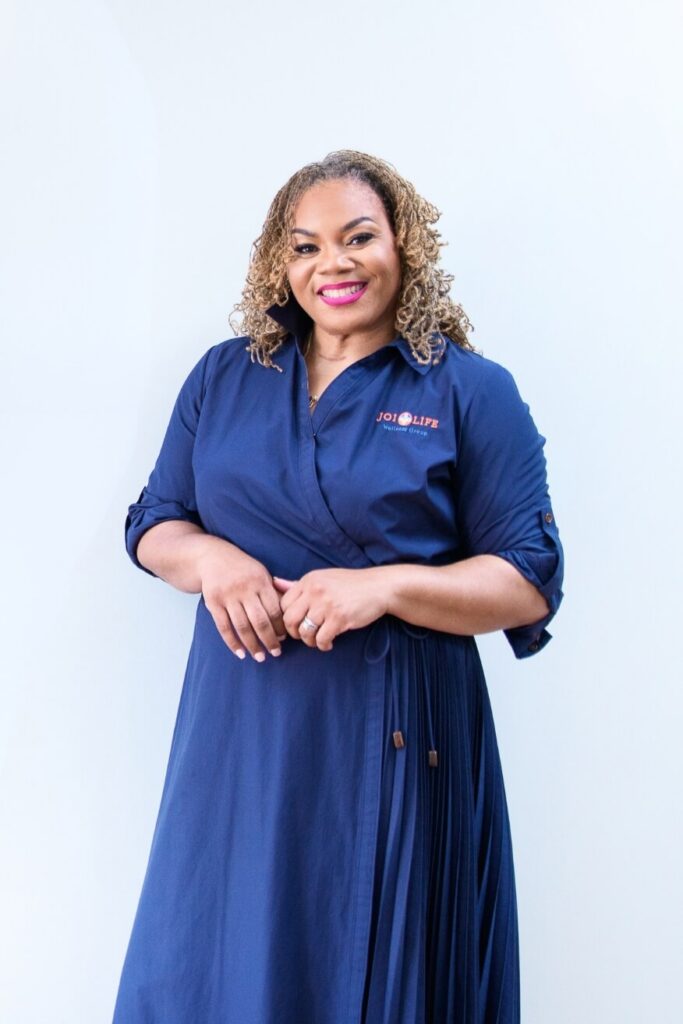
Dr. Mitzi Joi Williams-Brown is a neurologist, MS specialist, and relentless advocate whose work has always lived at the intersection of clinical excellence and health equity.
Fellowship-trained and board-certified, Dr. Williams-Brown has built her career on a singular conviction: that patients — especially those from communities long overlooked by medicine — deserve to be empowered with knowledge, not just managed with prescriptions. In her clinical practice, she meets patients where they are, helping them understand their diagnosis, evaluate their options, and navigate a healthcare system that was not always designed with them in mind.
Her advocacy extends beyond the clinic. A sought-after partner for national and international organizations, Dr. Williams-Brown is a strong voice for increasing diversity and representation in clinical trials, recognizing that research must reflect the full spectrum of patients to ensure findings are meaningful and applicable to all. Her leadership has helped shape new approaches to care, education, and community engagement on a global scale.
Co-founding the Black MS Consortium was a natural extension of this work—creating a framework that not only promotes inclusion, but actively supports the infrastructure needed to make it possible.
Three neurologists. One shared mission. A global registry that puts Black patients at the center of the science — not as an afterthought, but as the foundation everything else is built on.
BICOMS is their answer to a system that left too many people behind for too long. BrainWays is how they’re making sure it never happens again.
Full enrollment opening soon
Takes less than 2 minutes. We’ll reach out as soon as full enrollment opens.
"*" indicates required fields
"*" indicates required fields